Flexible Packaging • Rajkot, Gujarat Direct Sales & Quotes: +91 99745 47999 Inquire for Wholesale Orders →
Pactrum Flexible Packaging
Sizing Guide 5 min read September 2026

How to Choose the Correct Pouch Size: Dimensions & Bulk Density

A practical measurement guide for selecting pouch dimensions based on bulk density, internal gusset clearance, and seal headroom.

Quick Answer

To choose the correct pouch size, calculate your product’s bulk density (volume per gram), account for 1.5 to 2 inches of vertical headroom required below the zipper track for heat sealing, and compensate for the internal volume absorbed by the bottom gusset expansion.

Essential Key Points
  • Pouch capacity is governed by product volume, not gross weight alone.
  • Headroom of 35mm to 50mm below the zipper is essential for clean heat-sealing without product contamination.
  • Bottom gussets consume vertical height when opened outward.
  • Always test volume with a physical product sample before ordering mass packaging cartons.

Comparison Overview

Pouch Size (in)Dimensions (mm)Typical Dry Weight (Dense)Typical Dry Weight (Bulky)
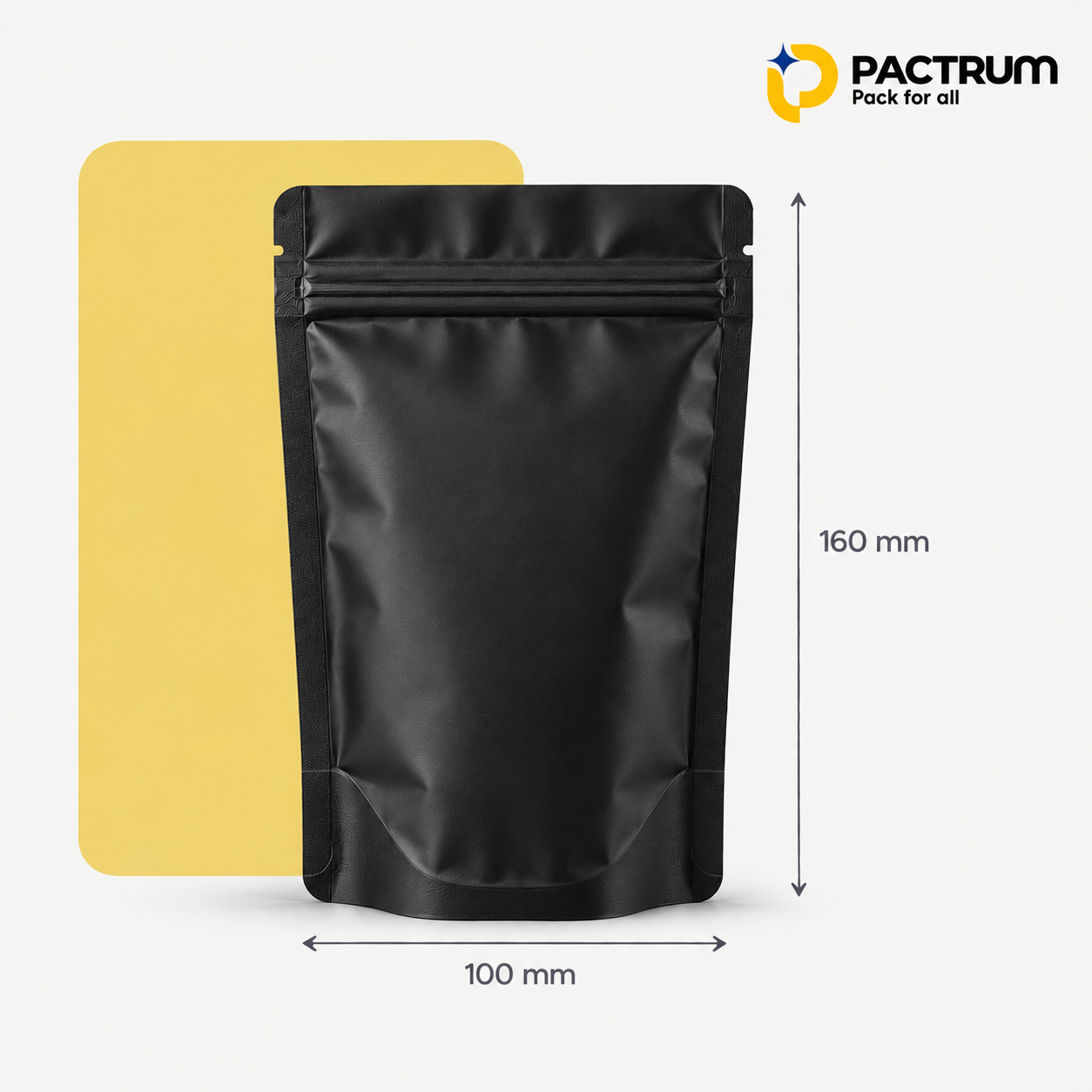
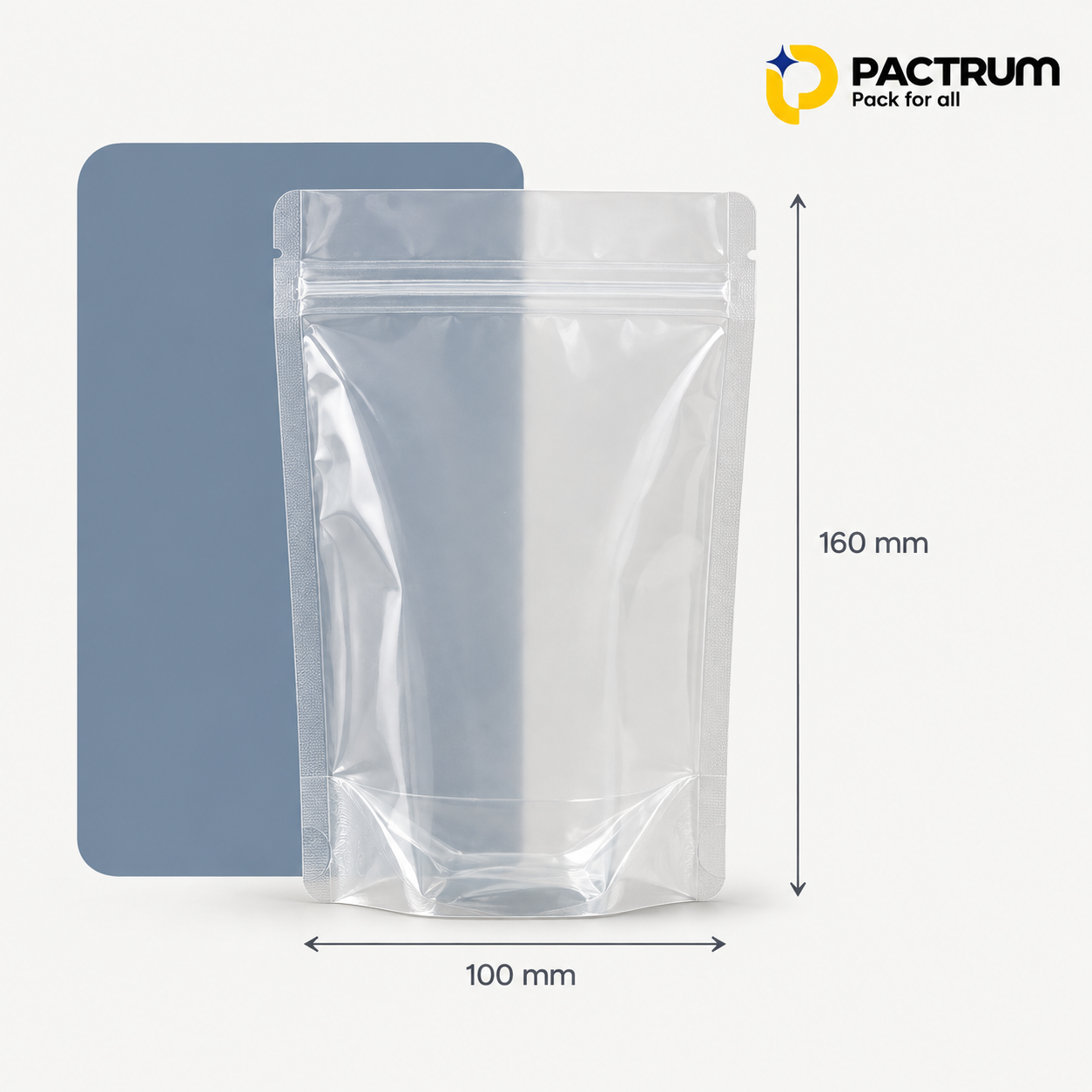
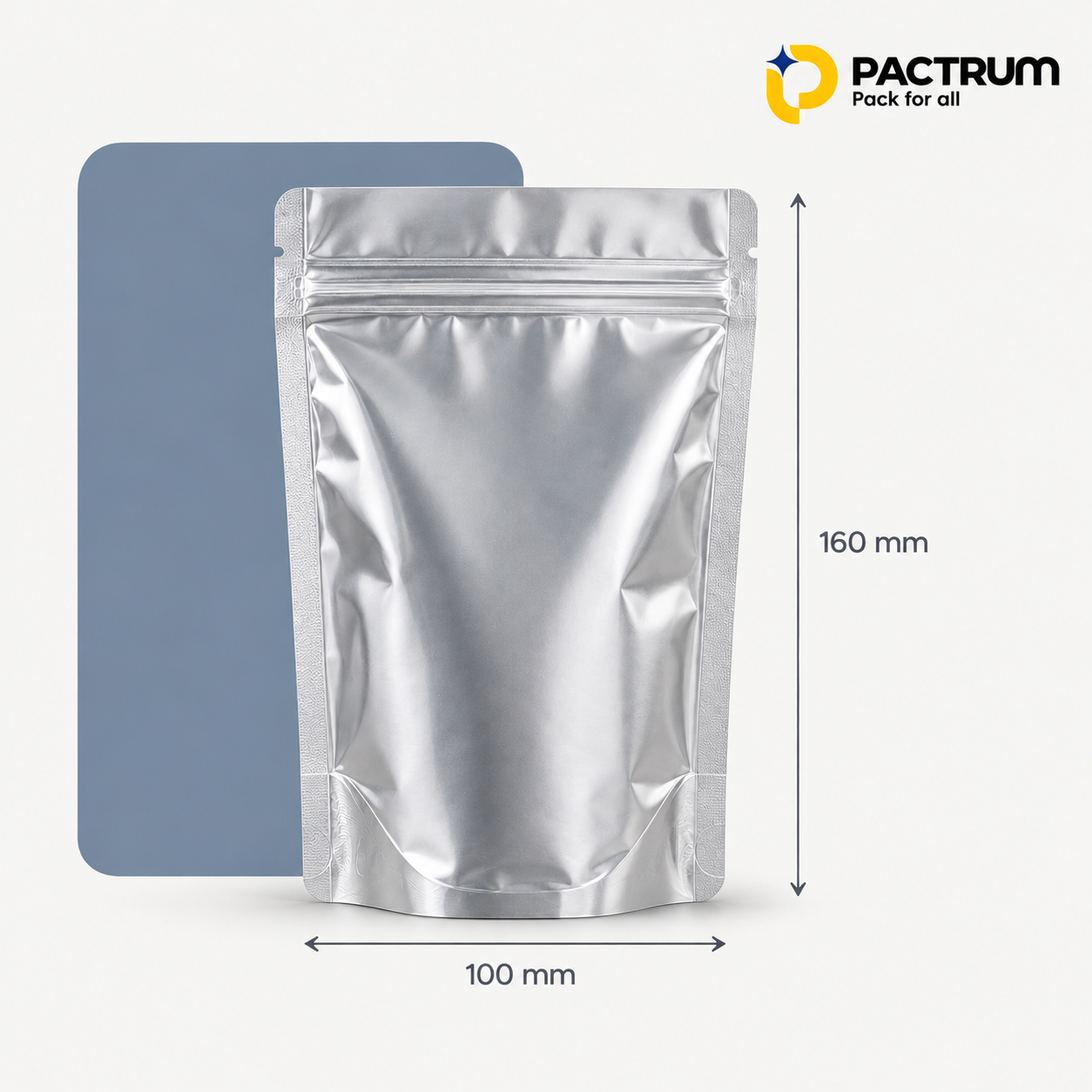
4 × 6.25 in 100 × 160 mm 75g – 100g (Turmeric, salt) 30g – 50g (Herbs, tea)
5 × 8 in 130 × 200 mm 150g – 250g (Spices, pulses) 75g – 100g (Granola, chips)
6 × 9 in 150 × 230 mm 250g – 500g (Dry fruits, flour) 150g – 200g (Popcorn, wafers)
7 × 11 in 180 × 280 mm 500g – 750g (Sugar, lentils) 250g – 350g (Puffed snacks)
8 × 12 in 200 × 300 mm 750g – 1000g (1 kg bulk grains) 400g – 500g (Extruded snacks)

The Critical Role of Bulk Density

The most common sizing error in flexible packaging procurement is purchasing pouches based strictly on gram weight without measuring product volume. Bulk density (grams per milliliter or cubic centimeter) determines whether 250g of an ingredient requires a 5 × 8 in pouch or a 7 × 11 in pouch.

Internal Fillable Height vs. Exterior Measurements

External specifications (e.g., 6 × 9 inches / 150 × 230 mm) reflect total outer dimensions before filling. The actual fillable chamber is reduced by three structural zones:

  • Top Sealing Zone: 15mm to 20mm above the tear notches reserved for final heat sealing.
  • Zipper Mechanism: 10mm to 15mm occupied by the plastic interlocking zipper profile.
  • Bottom Gusset Expansion: 25mm to 40mm taken as the bottom expands horizontally to form the base.

Consequently, the usable internal vertical height is roughly 40mm to 50mm less than the total exterior height.
CATALOGUE DISCOVERY

Recommended Stand-Up Pouches

Standardized specifications relevant to How to Choose a Pouch Size.

View all 81 SKUs

Frequently Asked Questions

Why does 250g of whole spices fit in a pouch but 250g of tea leaves does not?

Bulk density differs dramatically between ingredients. Dense powders and seeds occupy far less volume per gram than loose, aerated tea leaves, requiring a larger pouch format for the same weight.

How much headspace should be left unfilled?

A minimum of 20% to 25% of the total internal pouch height should remain unfilled to allow the pouch to seal hermetically without powder interfering with the zipper line.

Ready to review pouch dimensions and samples?

Explore our complete catalogue across all standardized flexible pouch families.